Preparing Your Dunedin Home for Winter: The Essential Summer Checklist
Dunedin homes work hard in winter. Heat pumps run longer, electrical systems carry heavier loads, and moisture builds up quickly in areas that struggling to dry out in colder, darker months. With its dry weather and lighter workloads, summer is the easiest time to get ahead of issues that are far more complicated and, in many cases, more expensive to manage once the cold sets in.
By tackling a few key checks now, homeowners can avoid mid-year breakdowns, reduce unexpected costs, and prevent the scramble of urgent work during the busiest and coldest part of the year.
Here are the key checks and maintenance tasks we recommend completing before winter arrives:
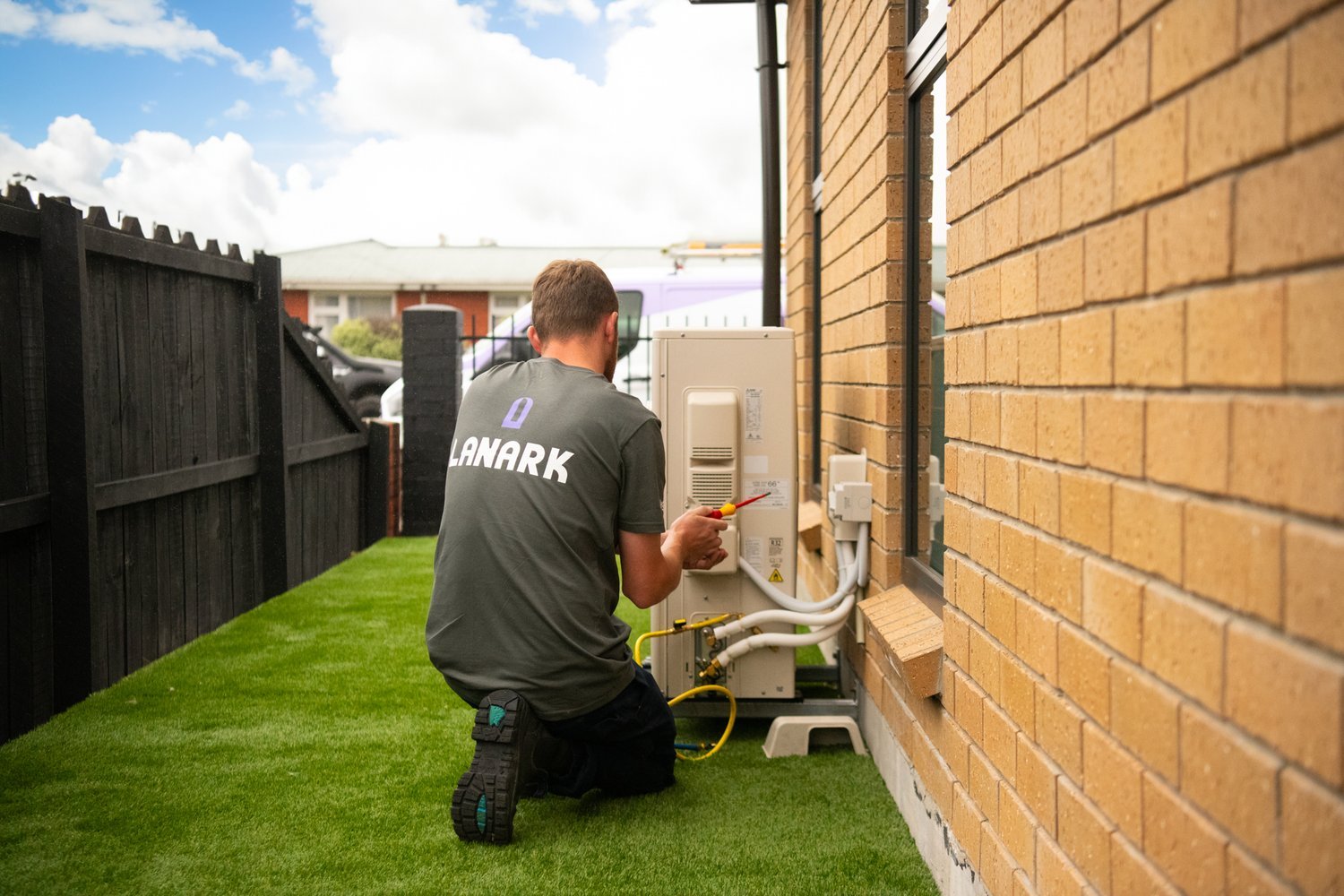
1. Book a Heat Pump Service Before Temperatures Drop
Your heat pump will do most of its heavy lifting in winter, but summer is the easiest time to service it. This is because demand for servicing is lower and technicians can thoroughly clean and test components without frost or moisture. A proper service helps to:
improve efficiency and airflow
reduce energy consumption
increase heating performance on cold mornings
extend the lifespan of your unit
In Dunedin’s crisp winter climate, many households rely heavily on their heat pump. Servicing in summer avoids the seasonal rush and helps ensure your system is reliable when you need it most.
2. Check for Moisture and Ventilation Issues While It’s Dry
It’s much easier to spot moisture problems on dry days because damp patches, leaks, and mould stand out more clearly when the surrounding area isn’t also cold and wet. During this warmer period, pay attention to:
condensation forming on windows in the mornings
damp patches or musty smells
mould behind furniture or in wardrobes
extraction fans that aren’t performing effectively (may sound weak, clogged, or unusually loud)
Homeowners can wipe fan covers, check that air is being pulled through, and listen for rattling or strain. Anything beyond that generally needs an electrician or ventilation specialist.
Addressing issues now is important because excess moisture becomes significantly harder to manage in winter. Good ventilation helps prevent mould growth, keeps bathrooms drier, and supports your heating system to work more efficiently.

3. Inspect Your Guttering, Downpipes, and Stormwater
Autumn in Dunedin brings heavier rain, which exposes weaknesses that are far quicker to resolve in summer. It’s worth taking time to check for:
cracked or rusting gutter sections
blockages from debris
gutters that overflow in the rain
downpipes that are loose or disconnected
signs of water tracking down exterior walls
Addressing drainage problems early helps prevent water entering the home, damaging cladding, or causing root around the roofline - all of which become far more disruptive and costly to repair in winter.

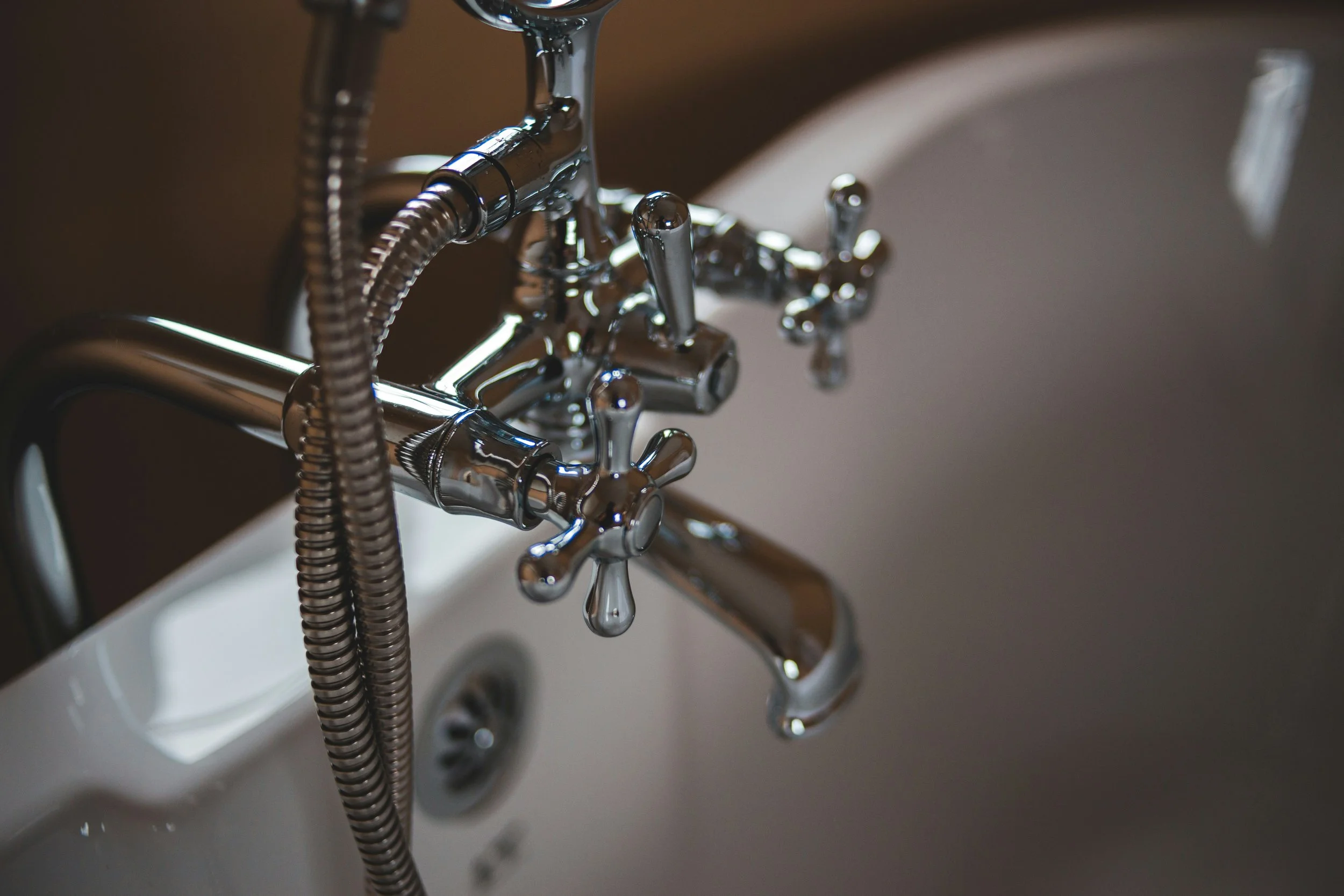
4. Review Your Hot Water System
Older or poorly performing hot water cylinders can cause rising electricity bills and inconsistent hot water temperatures in colder months. If your household is planning a bathroom renovation this year, evaluating your hot water system early on will help with design decisions and avoid downstream costs. Summer is a great opportunity to:
check whether your cylinder is due for replacement
inspect valves for leaks
review your household’s water pressure
A note on water pressure…
Many older Dunedin homes have low-pressure hot water cylinders. These limit what types of tapware or showers you can use and often result in weak flow. Mains-pressure systems provide stronger, more consistent water flow throughout the home.
If your cylinder is fine but old, simply knowing the age helps you plan for future replacements rather than facing a sudden failure in winter.
For some households, a heat pump hot water system may be worth considering. These aren’t for everyone, but they can reduce electricity use and are best evaluated before winter rather than during an emergency replacement.
5. Book an Electrical Safety Check Before Winter Demand Increases
Winter puts more strain on electrical systems: heaters run longer, more lights are used, and appliances work harder. Many Dunedin homes - especially older ones - have outdated or overloaded components without homeowners realising.
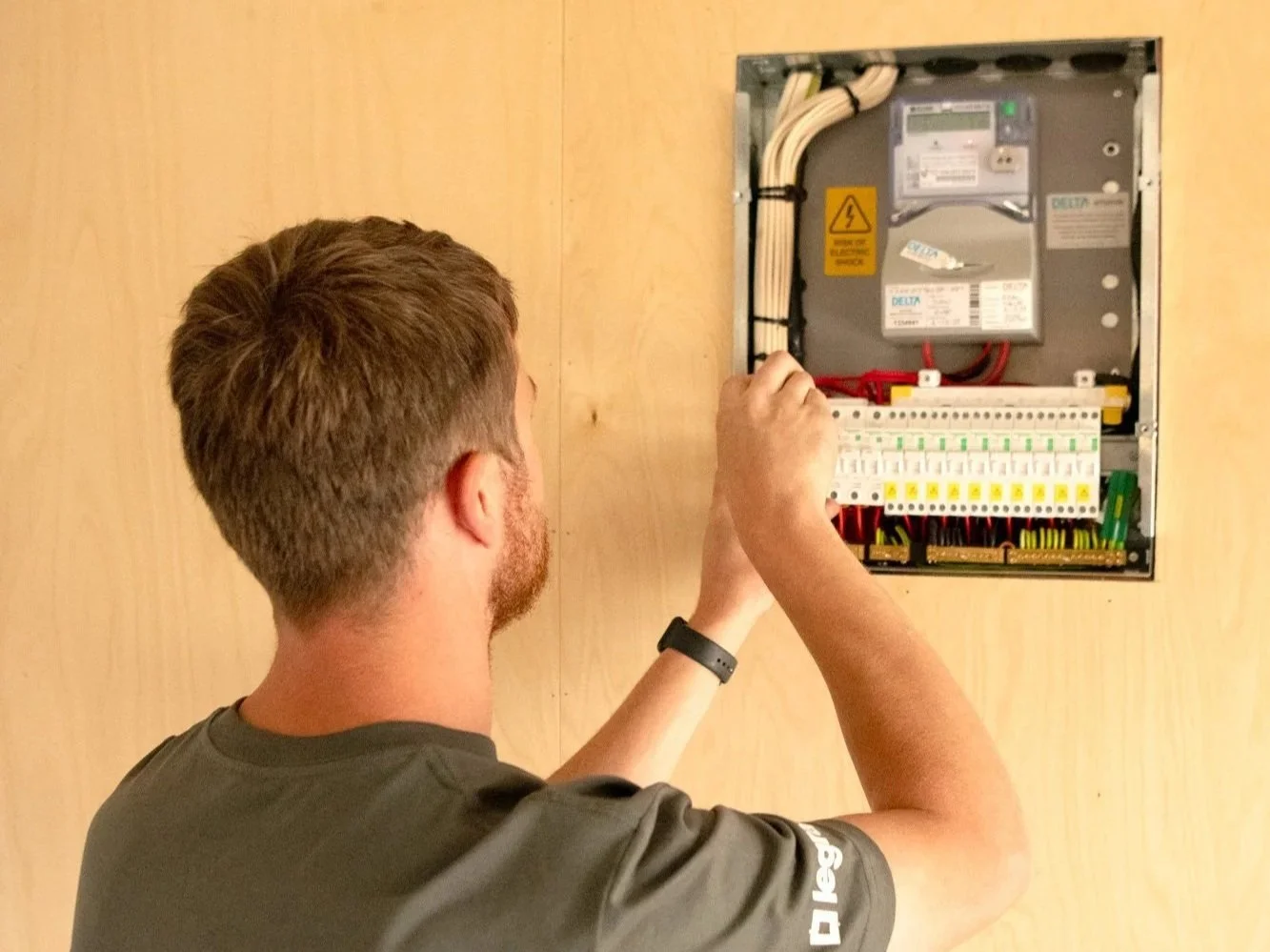
Rather than attempting these checks yourself, summer is the ideal time to book a qualified electrician to assess the safety and capacity of your system. They will look at:
switchboard age and safety (older boards use rewireable fuses that can’t detect faults quickly)
RCD protection (RCDs - Residual Current Devices - shut off power instantly if they detect a fault, greatly reducing the risk of electric shock or fire)
circuit loading (electricians can test whether your current setup is struggling to cope with modern usage)
wiring condition (particularly important in older homes where insulation can degrade)
smoke alarms (ensuring they are installed correctly and within expiry dates)
Small electrical faults have a habit of showing up on the coldest days when systems are under pressure. A summer safety check catches these issues early, under controlled conditions.
6. Take Advantage of Good Weather to Check the Exterior of Your Home
Summer is the best time to do a simple visual walk-around of your property. Look for early signs of wear that could turn into winter leaks, draughts, or damage:
exterior taps and pipework (drips or corrosion)
cladding (cracks, gaps, or peeling paint)
deck drainage (pooled water or blocked channels)
window and door seals (brittle rubber or visible gaps)
roofline (discoloured areas, loose flashing, or signs of rot)
You don’t need specialist knowledge - the goal is simply to notice anything that doesn’t look quite right. If you’re unsure, a tradesperson can confirm whether attention is needed.

A Smooth, Warm Winter Starts in Summer ☀️
Whether it’s a heat pump service, an electrical upgrade, or a small plumbing repair, addressing these tasks in summer helps reduce stress and cost when the cold weather arrives.
If you’d like support with any of these checks - or you're unsure where to start - our Dunedin team is here to make the lead-up to winter as easy as possible.
Get in touch to book your pre-winter check or to discuss upcoming work for your home.